

sec@brattonhistory.co.uk
|
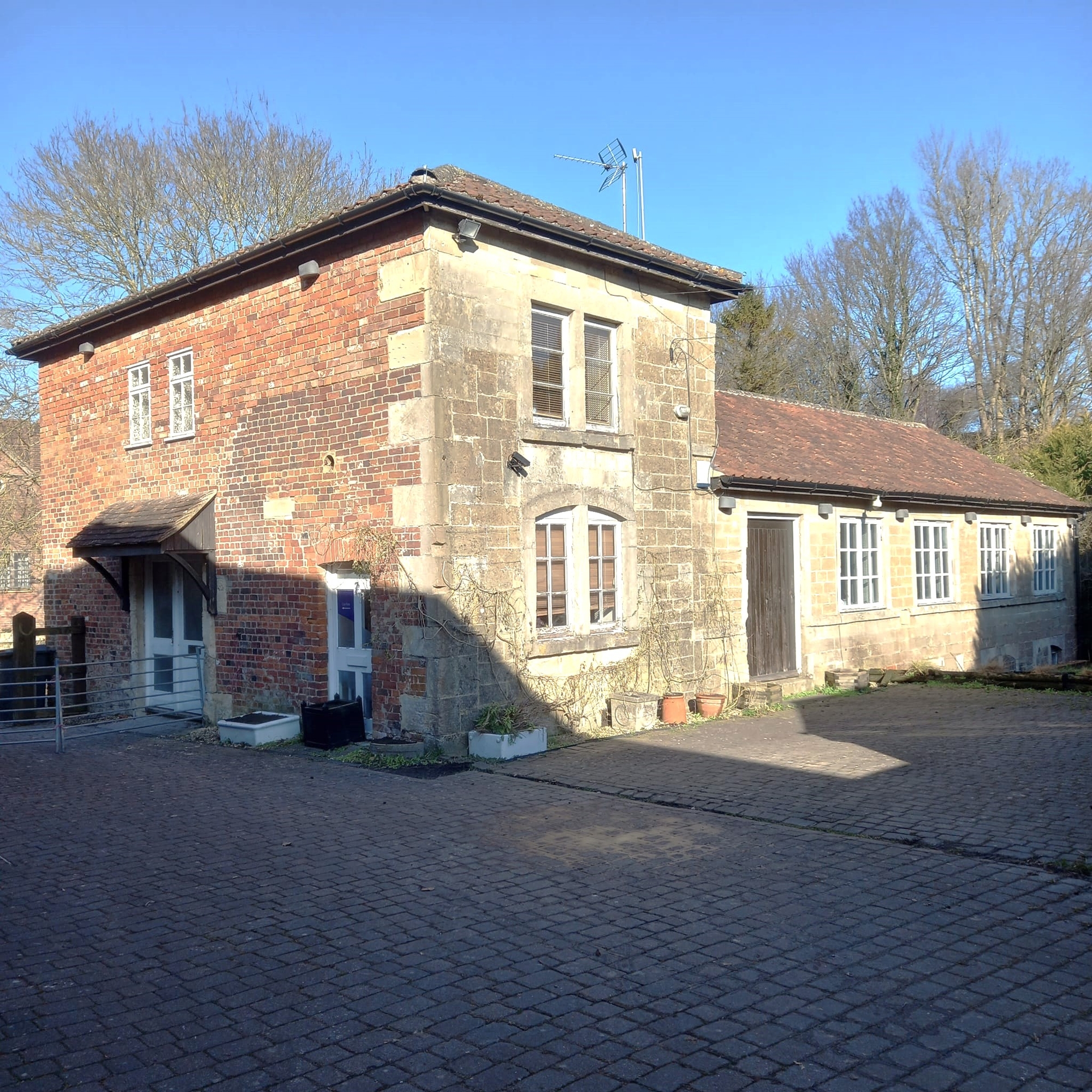
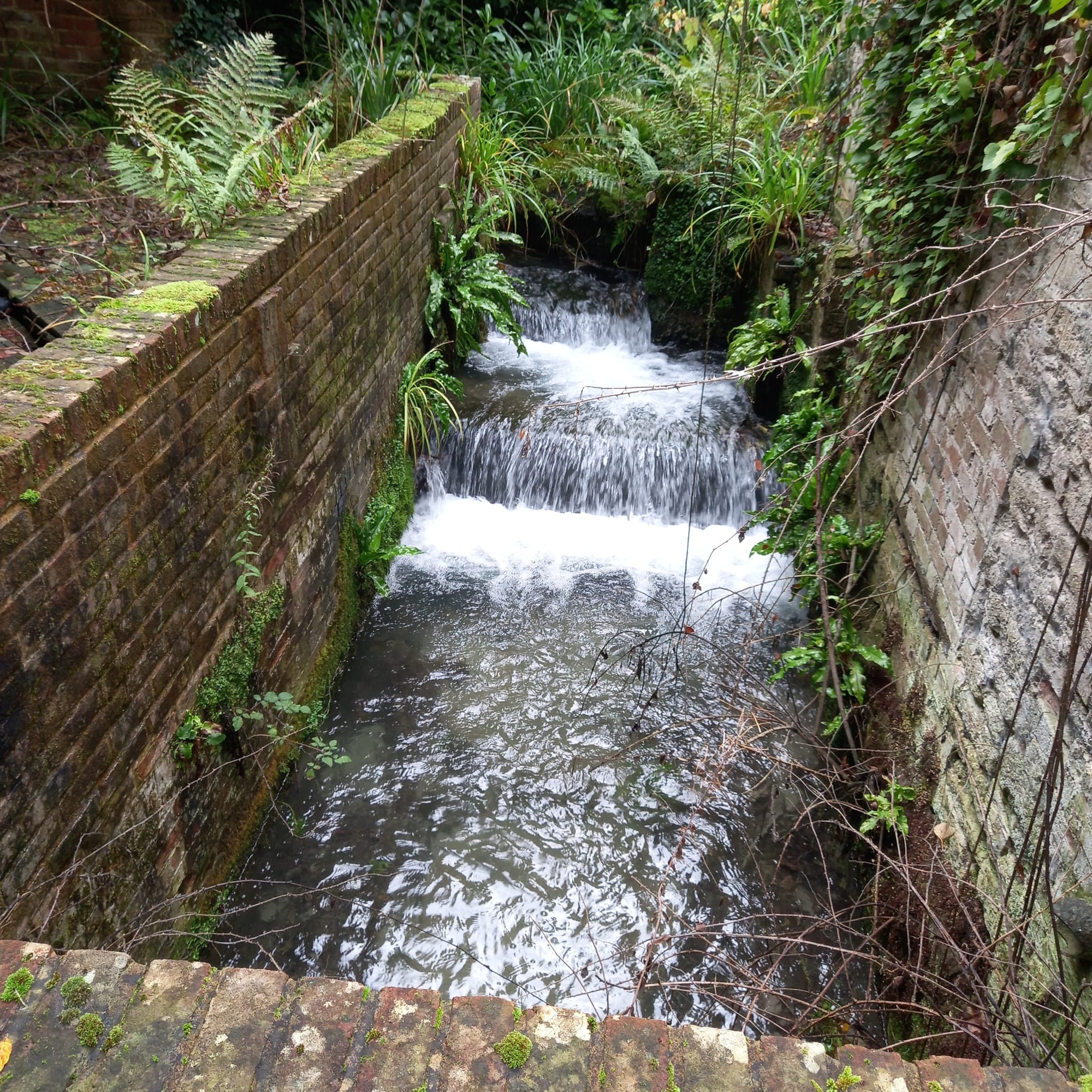
Bridge Mill - The Bash/Melbourne Street200 years ago the Stradbrook was a deep and fast flowing stream, home to the sounds of machinery, tall smoking chimneys, and wagons delivering to and collecting from factories operating ten-hour days. All this activity was largely due to the enterprise of one man, Thomas Jarvis. Having acquired one of the two existing corn mills in 1805 to convert for the clothing trade, he rapidly doubled the number of mills on the stream. The first was on a small enclosure of pasture just north of the bridge at the bottom of Melbourne Street purchased from Charles Mitchell in 1807. Melbourne Mill, with its wool store, had almost no room for a mill pond, but Jarvis was an 'early adopter' of steam engines and had Boulton and Watt install a six horse-power engine, the first in Bratton, allowing his new mill to supplement stream power with steam power and run uninterrupted. Within two years Jarvis had also built another mill higher upstream, named after the nearby Luccombe spring-head, with a large mill pond and a fine Regency-style mill owner's house. Records show that by 1816 he employed 45 people, more than half of whom were aged between 10 and 14. When Jarvis retired in 1822, Isaac Brent ran all three mills until 1830. They were then separated, with John Coombs taking over Melbourne Mill. In 1834 the steam engine was moved upstream to Aldridge's Mill and superseded by a fourteen horse-power engine. William England bought it in 1841, but factories were now moving from villages to more convenient sites in towns, leaving him bankrupt by 1855. The Reeves Foundry bought the site for storage, and its name changed to Bridge Mill. Wilkins and Cogswell operated there through most of the 1870s, but the demolition of the chimney in 1896 signalled the end of any industrial use and for the early years of the 20th century it was used by the Bratton Dairy Company. Much of the building was destroyed by fire during the 1930s, leaving only two of the original five storeys. By the 1960s the former mill and wool store was used by a building contractor. 'Bratton Mills' by Jean Morrison 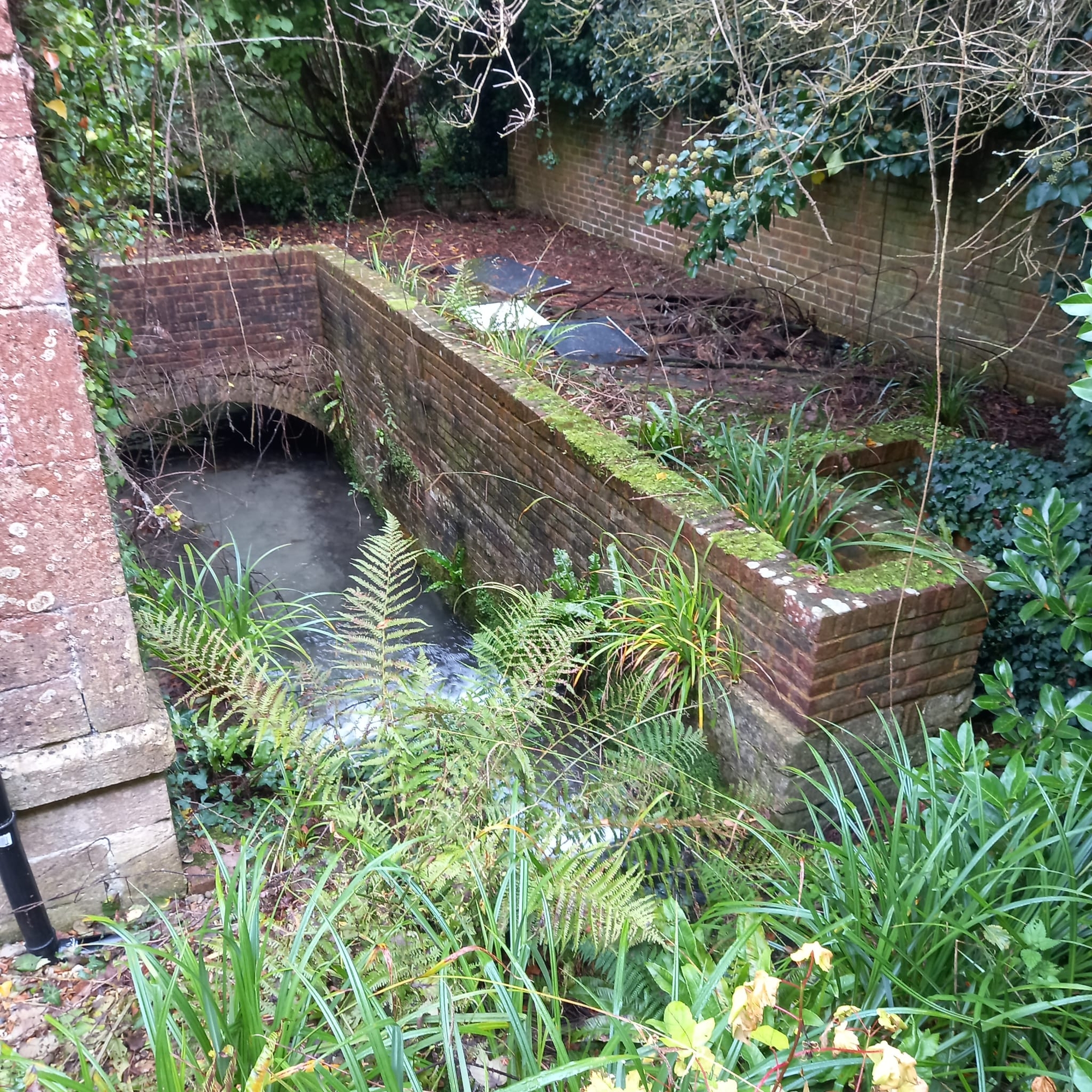
[Return] |
Bratton History Association.
The Bratton History Association aims to provide all those curious about local history with an opportunity to meet, exchange ideas,
and discover more about the history of Bratton and Wiltshire. Activities include monthly meetings, talks by professional historians,
visits to places of interest to historians, and our own local history project.
Copyright Bratton History Association 2015-2026
Bratton History Association Privacy Statement
Copyright Bratton History Association 2015-2026
Bratton History Association Privacy Statement
Web Design by Blue Engine Web Development © 2008-2026