

sec@brattonhistory.co.uk
|
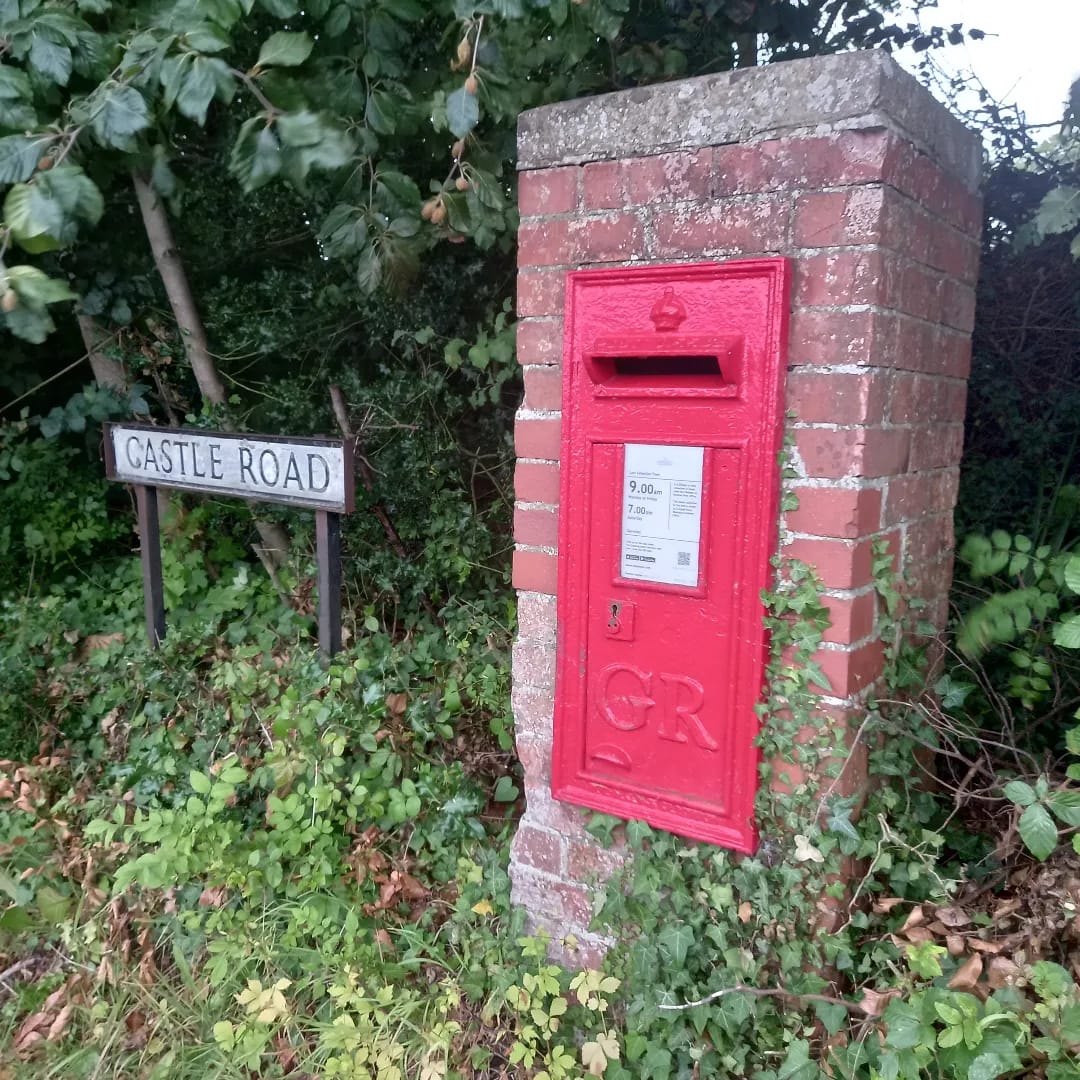
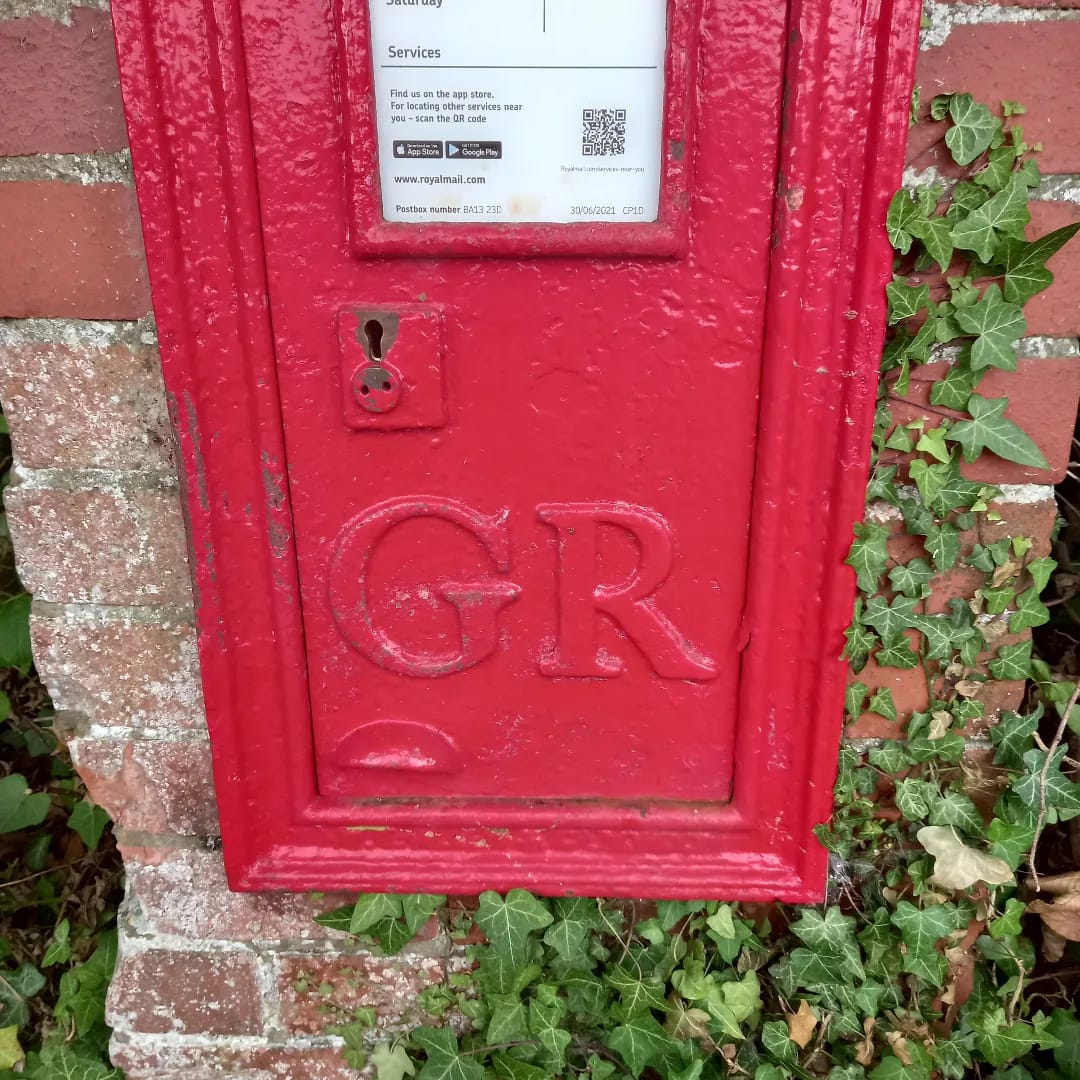
George V ‘Wall’ Post Box - Castle RoadA Royal Mail post box stands within half a mile of over 98% of the UK population. They are as familiar as they are practically useful. They also represent the living history of communication, as well as engineering, design and manufacturing. Some post boxes are rarer than others, but each has a story to tell and many have particular meaning for local communities. While working as a Post Office Surveyor in the Channel Islands, Anthony Trollope, now more famous as a novelist, was responsible for the introduction of the first red ‘pillar’ boxes to Britain in 1852, when he suggested the adoption of the idea he had seen widely used while travelling in Europe. When the first box was erected on the mainland a year later (in 1853) they were originally painted green. However, after complaints that they were too difficult to spot, the iconic colour red (used on the Channel Island prototypes) was adopted nationwide. These conveniently sited boxes proved enormously popular as there had been a huge increase in use of the postal services following the invention of adhesive postage stamps and, even more importantly, the introduction of standard rate of postage with the Penny Black in 1840. At first there were a wide variety of designs as local District Surveyors commissioned boxes from local foundries. In 1859 a standard design was introduced. Cast iron ‘Wall’ boxes started to appear in 1857 particularly in rural areas as they were less expensive than the free-standing pillar box designs. Most were inserted in to existing buildings and walls, but where nothing suitable was available, brick-built boxes, like the one we have in Castle Road, were erected. We don’t know the exact date when this one was installed, but it must have been sometime between 1910 and 1936 as it bears the Royal cypher of King George V. A new cypher is developed for each monarch when they accede to the throne. King George opted for a simpler, bolder design than his father and grandmother and, rather unusually, without the inclusion of a V, the Roman numeral for five. Unsurprisingly given the length of her reign, 60% of the 115,500 boxes in operation today date from the reign of Elizabeth II and bear the cipher EIIR (as seen in the box outside Bratton’s Post Office in Melbourne Street and the Wall Box at the entrance to Pear Tree Orchard). Only 15% of post boxes bear the cipher of George V. The history of Post Boxes and arrangements for their preservation Letter Box Study Group 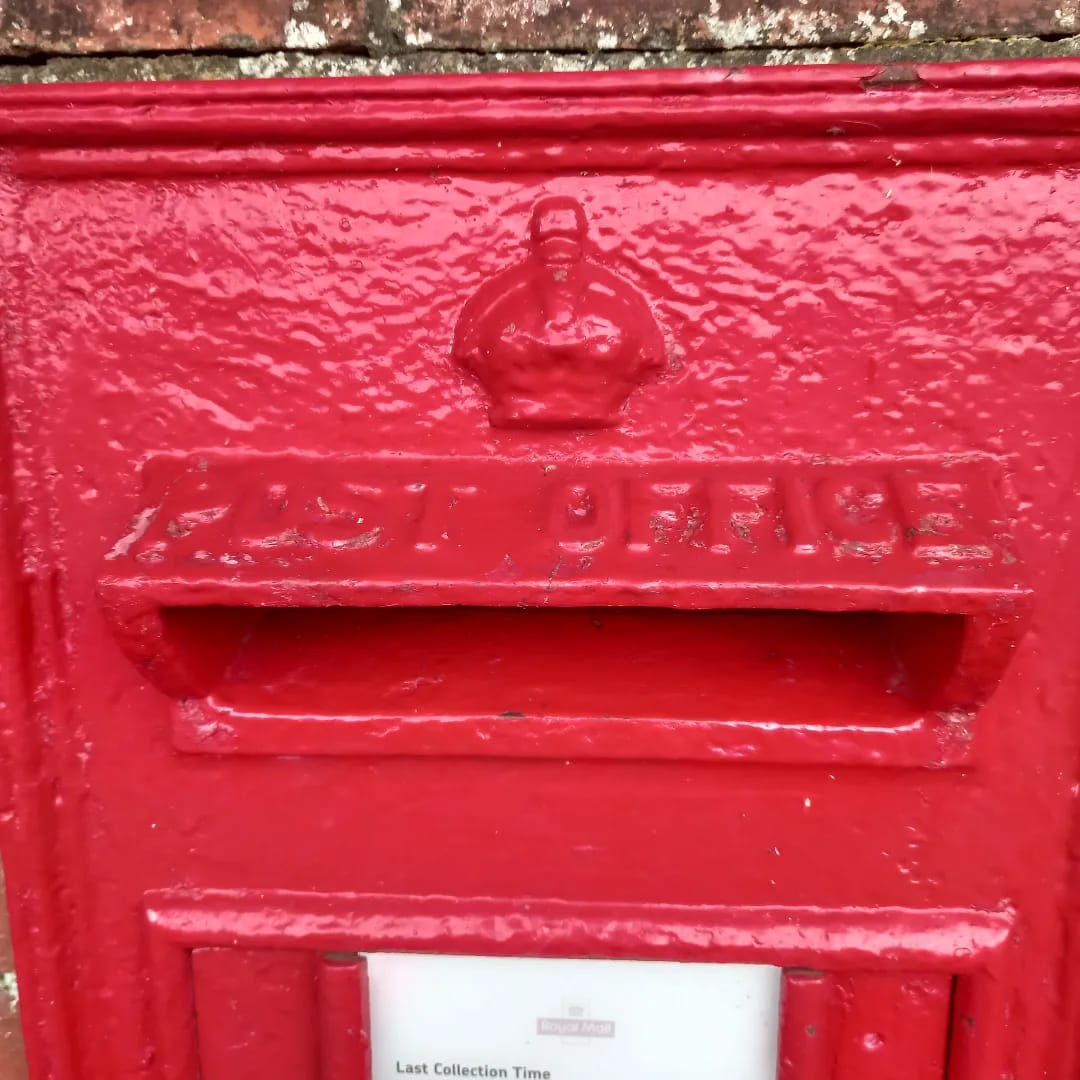
[Return] |
Bratton History Association.
The Bratton History Association aims to provide all those curious about local history with an opportunity to meet, exchange ideas,
and discover more about the history of Bratton and Wiltshire. Activities include monthly meetings, talks by professional historians,
visits to places of interest to historians, and our own local history project.
Copyright Bratton History Association 2015-2026
Bratton History Association Privacy Statement
Copyright Bratton History Association 2015-2026
Bratton History Association Privacy Statement
Web Design by Blue Engine Web Development © 2008-2026