

sec@brattonhistory.co.uk
|
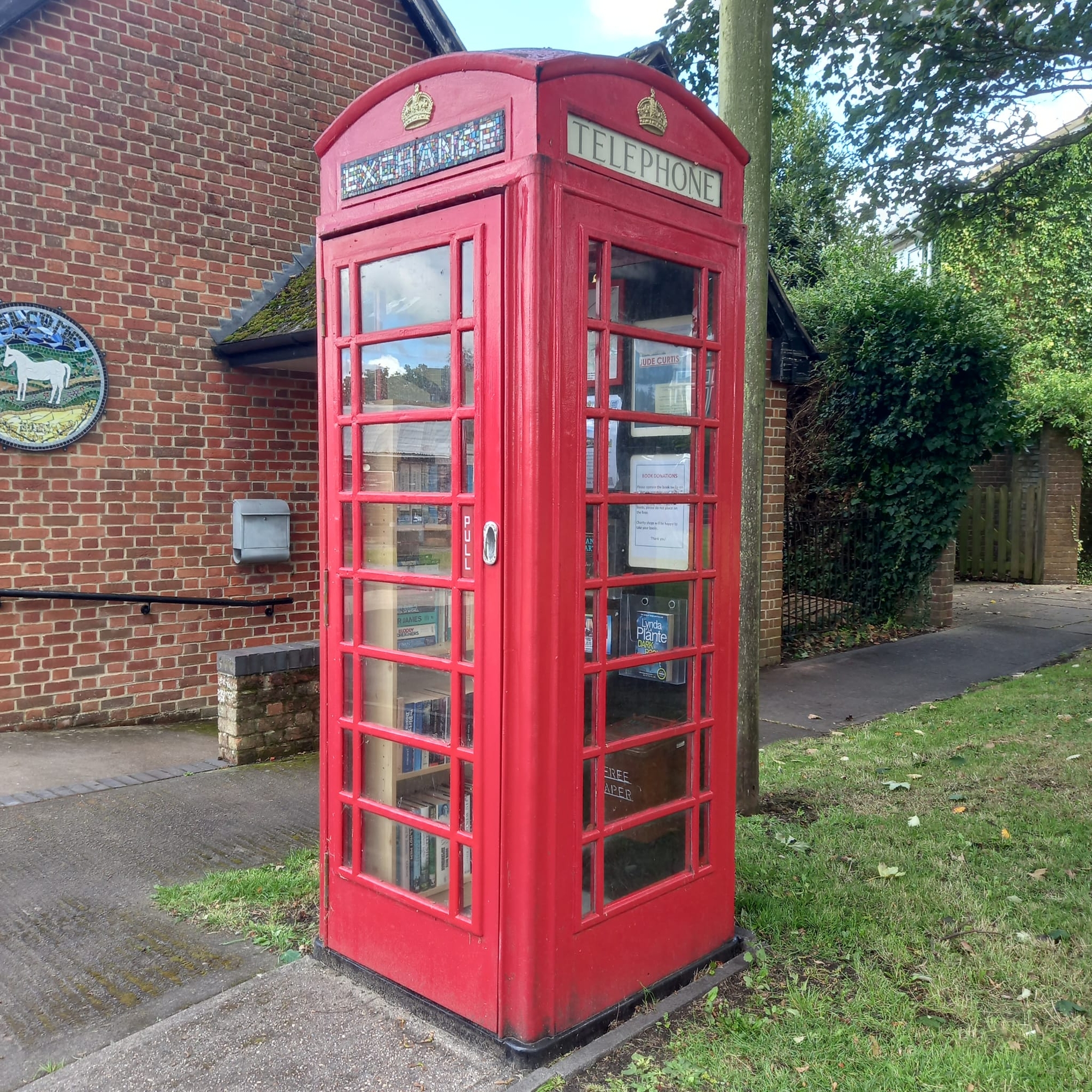
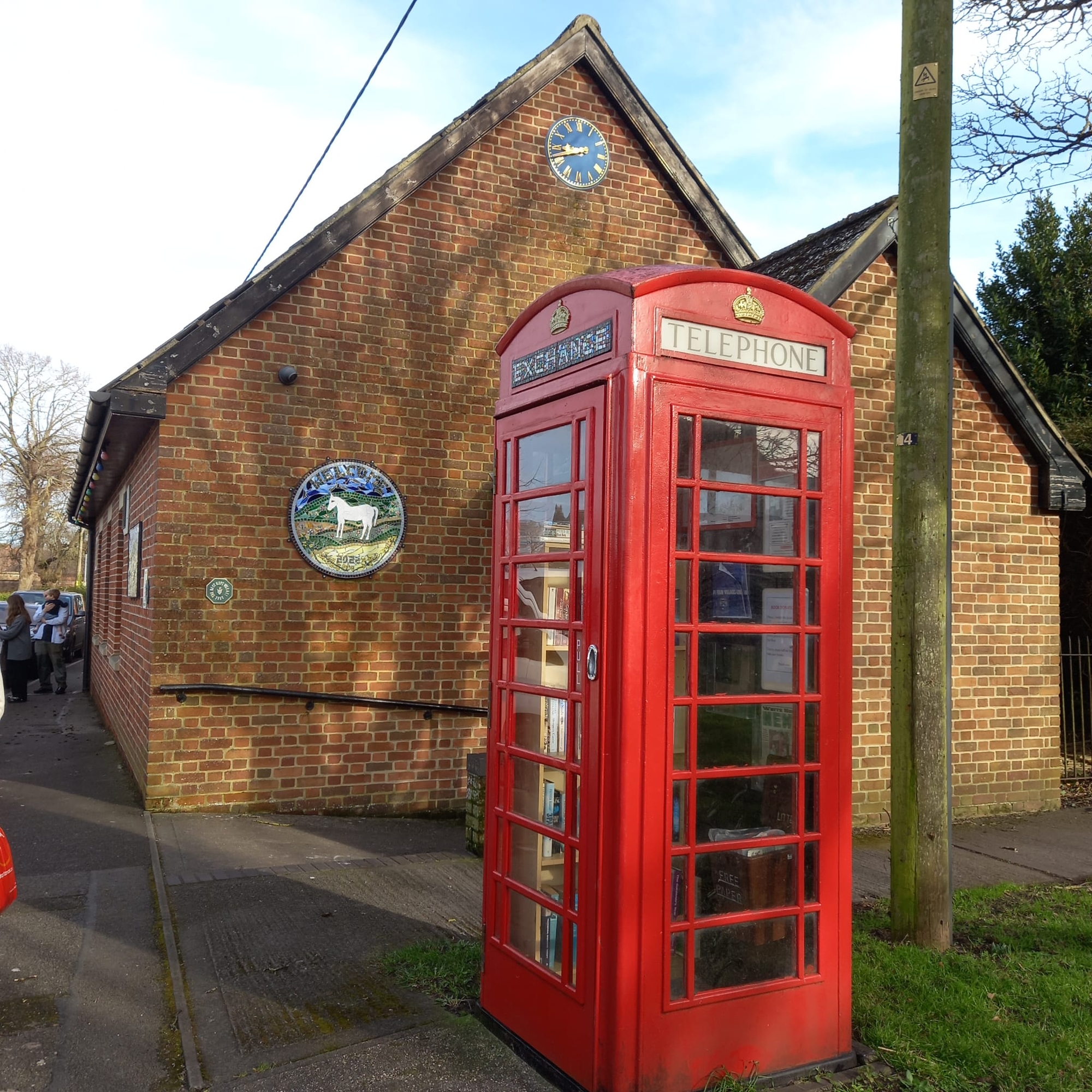
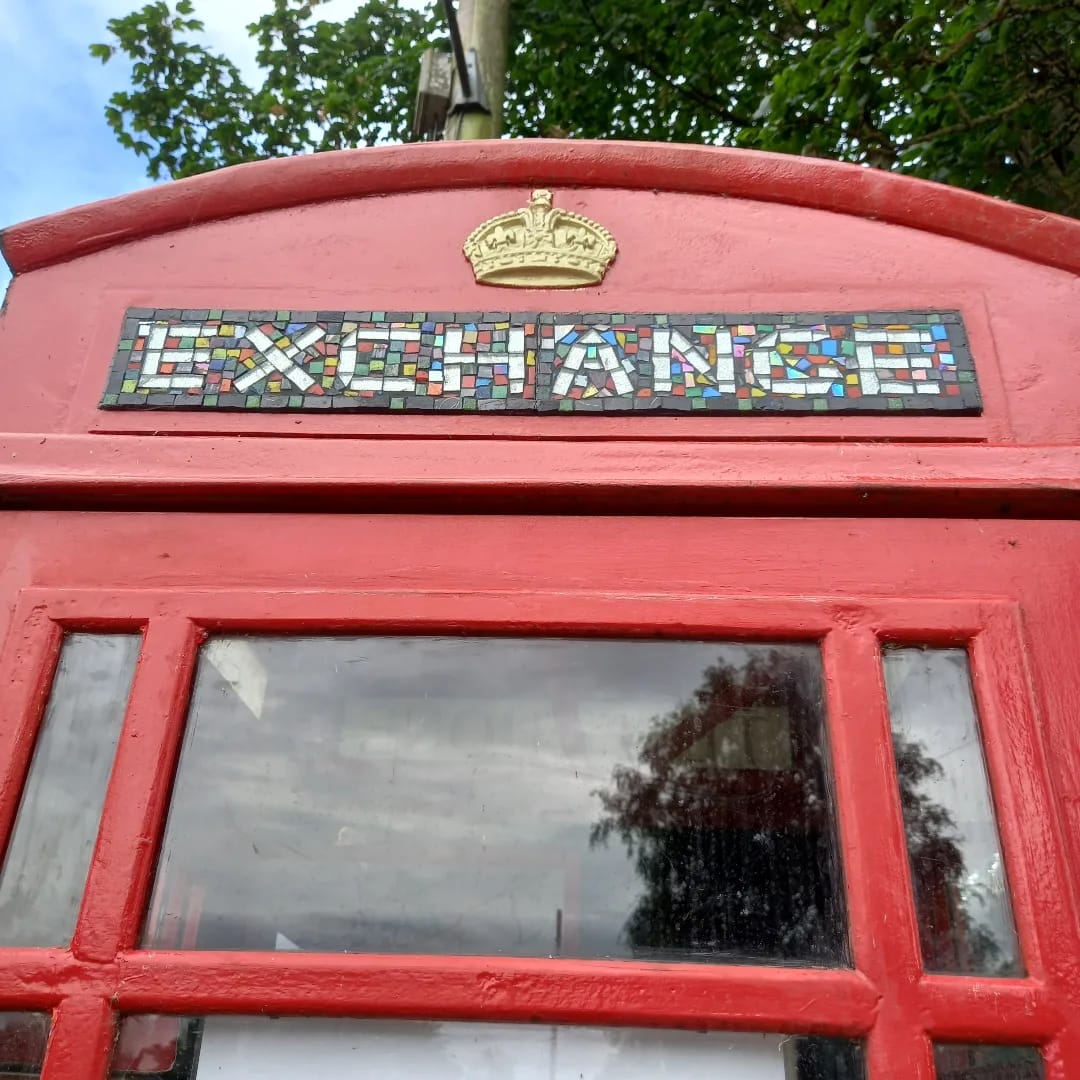
Telephone Kiosk - Melbourne StreetNow widely considered a National Design Icon, the K6 (the sixth type of kiosk produced) was designed by Sir Giles Gilbert Scott (based on his earlier K2 design) to commemorate the Silver Jubilee of King George V in 1935. For this reason that this design is sometimes known as the Jubilee Kiosk. The Post Office had taken over almost all of the country's telephone network in 1912. In 1921 it introduced the first standard public telephone in a concrete kiosk designated K1 (Kiosk No.1). The red K2 design was introduced as the result of a competition run by the Royal Fine Art Commission in 1924 to design a kiosk that would be acceptable to the London Metropolitan Boroughs which had resisted the Post Office's attempts to erect K1 concrete kiosks on their streets. The Post Office chose to make Scott's winning design in red-painted cast iron making them as durable and easy to spot as their network of post boxes. We don’t have a record of when Bratton’s K6 Telephone Box was installed, but it must have been at some point in the 18 years between 1935 and 1953 (when very few people had such a new-fangled devise at home), as the GPO motif on the fascia is a Tudor Crown. This motif was changed in 1953 to a St Edward’s Crown as a representation of the actual crown used for the coronation of Queen Elizabeth II. Nor, do we know when it was decommissioned. After privatisation in 1982, British Telecom set about replacing the ‘old fashioned’ red boxes with a more utilitarian design, but those in rural locations seemed to have had a reprieve until they finally became redundant due to the rise in mobile phone usage. Bratton’s former telephone box was adopted by Bratton Parish Council in 2015 for £1. During the Covid 19 pandemic it was used as a Food Bank to support those members of the village particularly hard hit by the National Lockdown. In 2023 it was refurbished to house a Community Information Hub and Book Exchange. 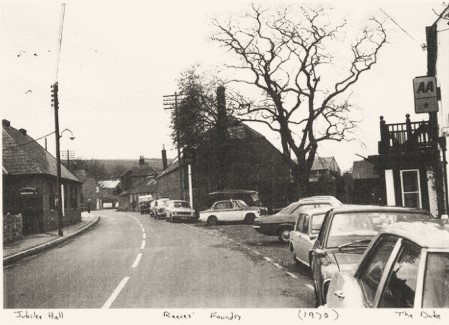
[Return] |
Bratton History Association.
The Bratton History Association aims to provide all those curious about local history with an opportunity to meet, exchange ideas,
and discover more about the history of Bratton and Wiltshire. Activities include monthly meetings, talks by professional historians,
visits to places of interest to historians, and our own local history project.
Copyright Bratton History Association 2015-2026
Bratton History Association Privacy Statement
Copyright Bratton History Association 2015-2026
Bratton History Association Privacy Statement
Web Design by Blue Engine Web Development © 2008-2026