

sec@brattonhistory.co.uk
|
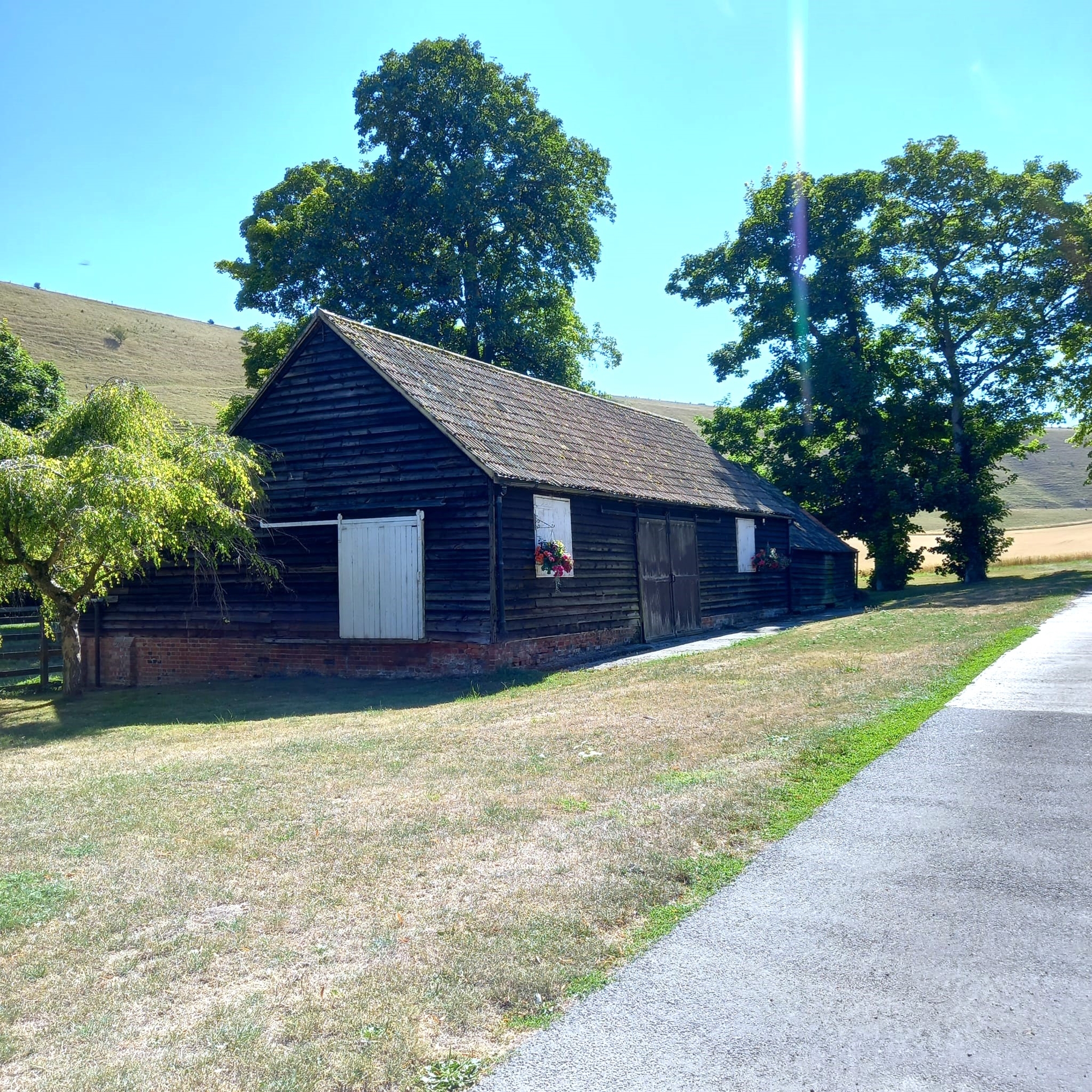
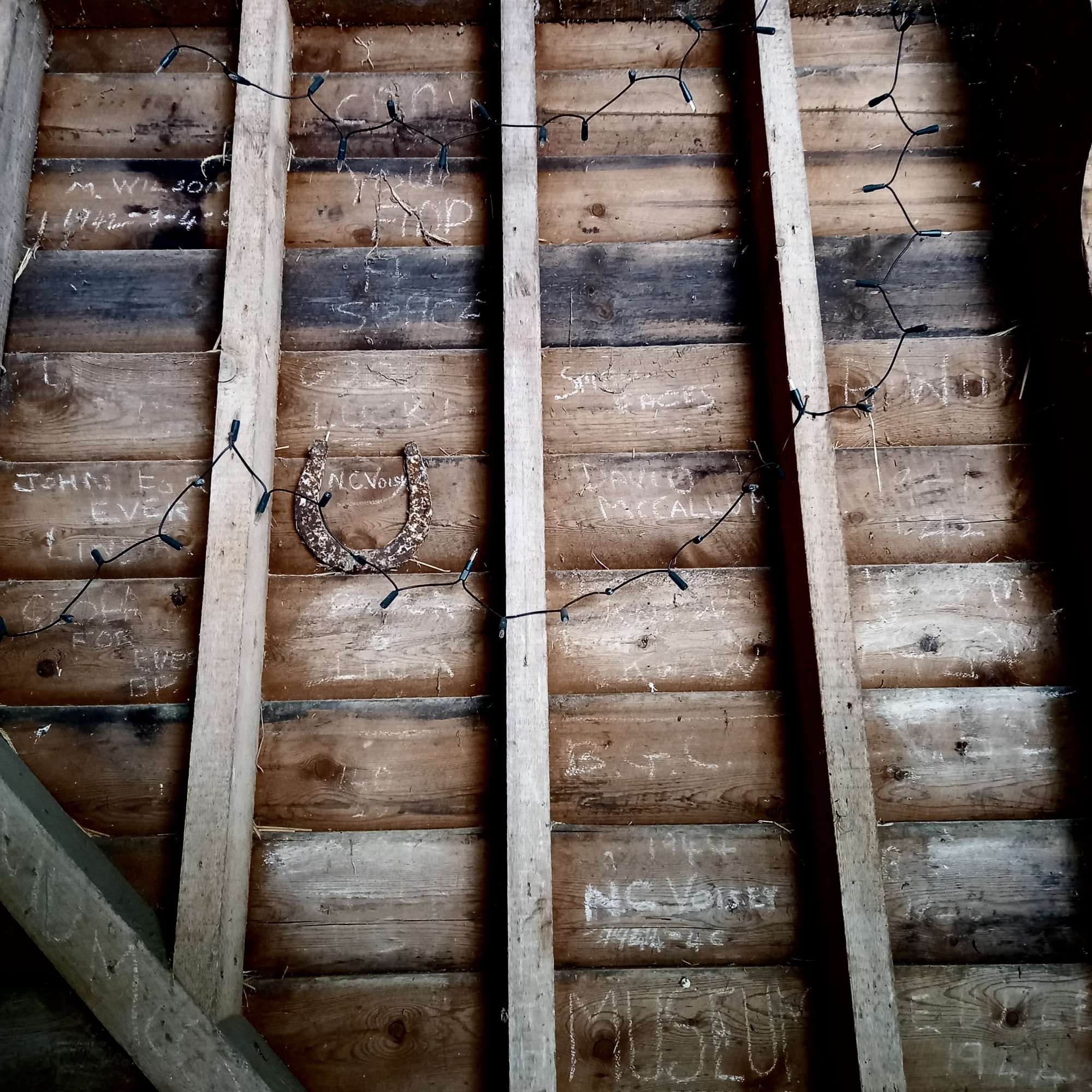
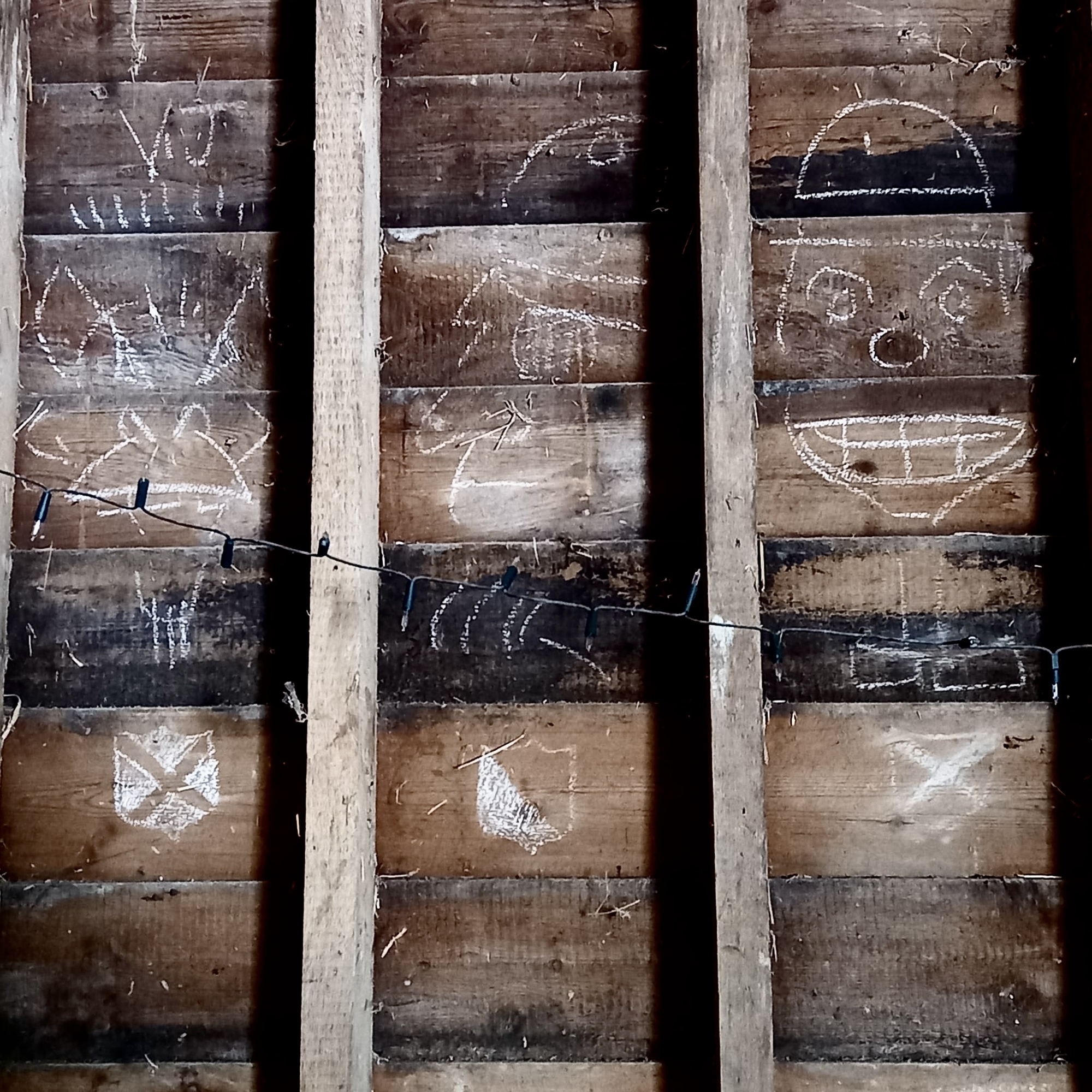
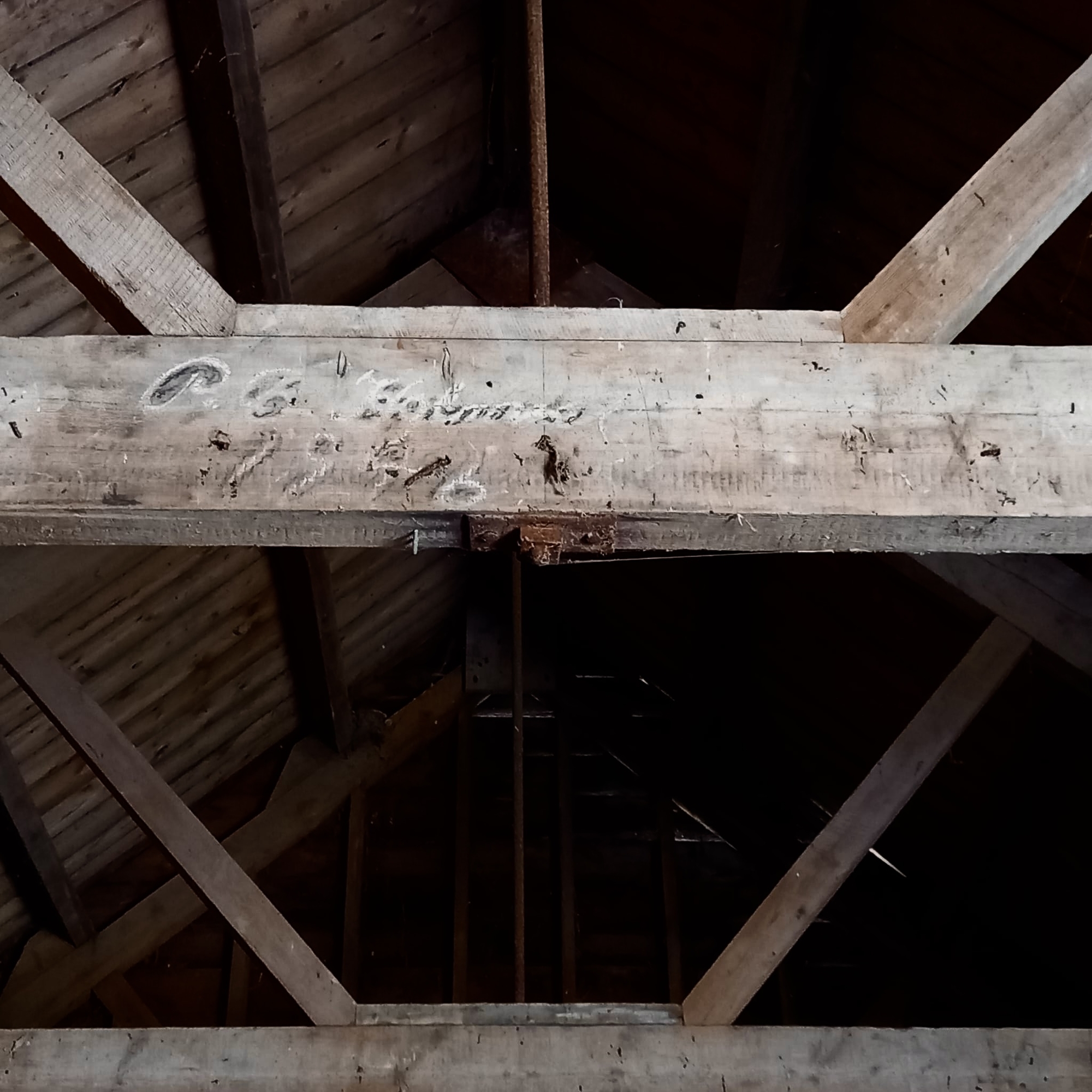
WWII Graffiti, Combe Farm - Combe LaneDuring the Second World War, members of the Women’s Land Army (WLA) were billeted in the barn at Combe Farm. Some drew cartoons and wrote their names in chalk on the walls and these inscriptions can still be seen today. Sadly we know nothing about the lives of these particular young women, but the graffiti that they left behind gives us a tantalising glimpse of their presence in the village. Today the barn stands silent, dark and bare, but the ghostly chalk graffiti on its walls whisper hints of another age. They murmur the names of Women's Land Army recruits that stepped up to do their national duty of keeping the country fed during World War Two. They mutter clues of the homes and traditional gender roles that they left behind and evoke a time of great activity and anxiety in an era of huge adversity and adventure. They tell us of tantalising declarations of love for their men, who may have been fighting somewhere far away. They leave traces of the passing years, conjuring impressions of a cavern full of chatter and camaraderie. Whatever lives these women returned to, for some these would remain the most meaningful times of their lives. The WLA was first set up in January 1917 during World War One. It was re-formed in June 1939, in preparation for World War Two. Over 200,000 young women, known as ‘Land Girls’, worked in the WLA from June 1939 until November 1950, replacing the male farm workers who had gone to fight in the war. Coming from all backgrounds, Land Girls were critical to increasing the country’s domestic food supply at a time when many trading routes were seriously affected. 'Women's Land Army website 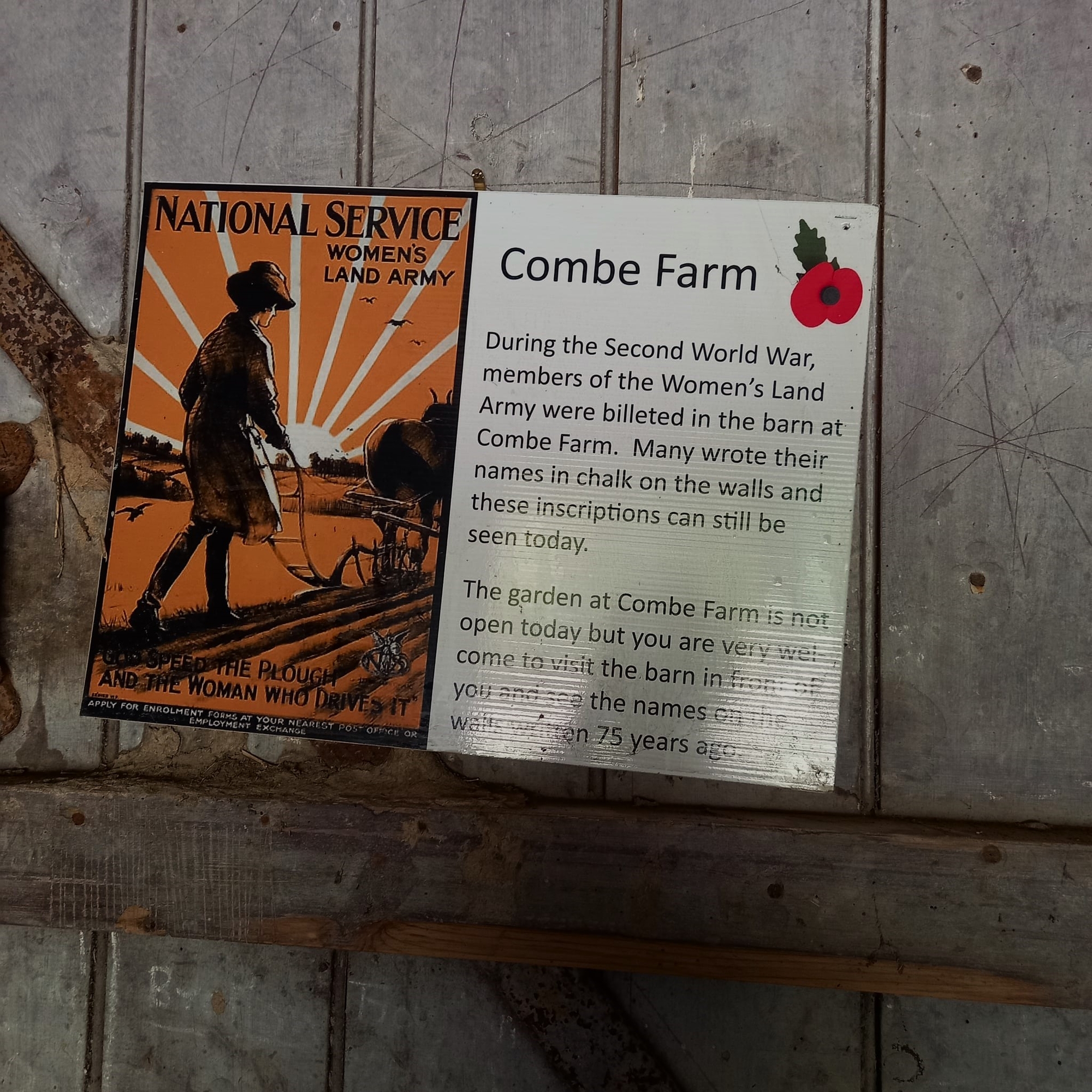
[Return] |
Bratton History Association.
The Bratton History Association aims to provide all those curious about local history with an opportunity to meet, exchange ideas,
and discover more about the history of Bratton and Wiltshire. Activities include monthly meetings, talks by professional historians,
visits to places of interest to historians, and our own local history project.
Copyright Bratton History Association 2015-2026
Bratton History Association Privacy Statement
Copyright Bratton History Association 2015-2026
Bratton History Association Privacy Statement
Web Design by Blue Engine Web Development © 2008-2026