

sec@brattonhistory.co.uk
|
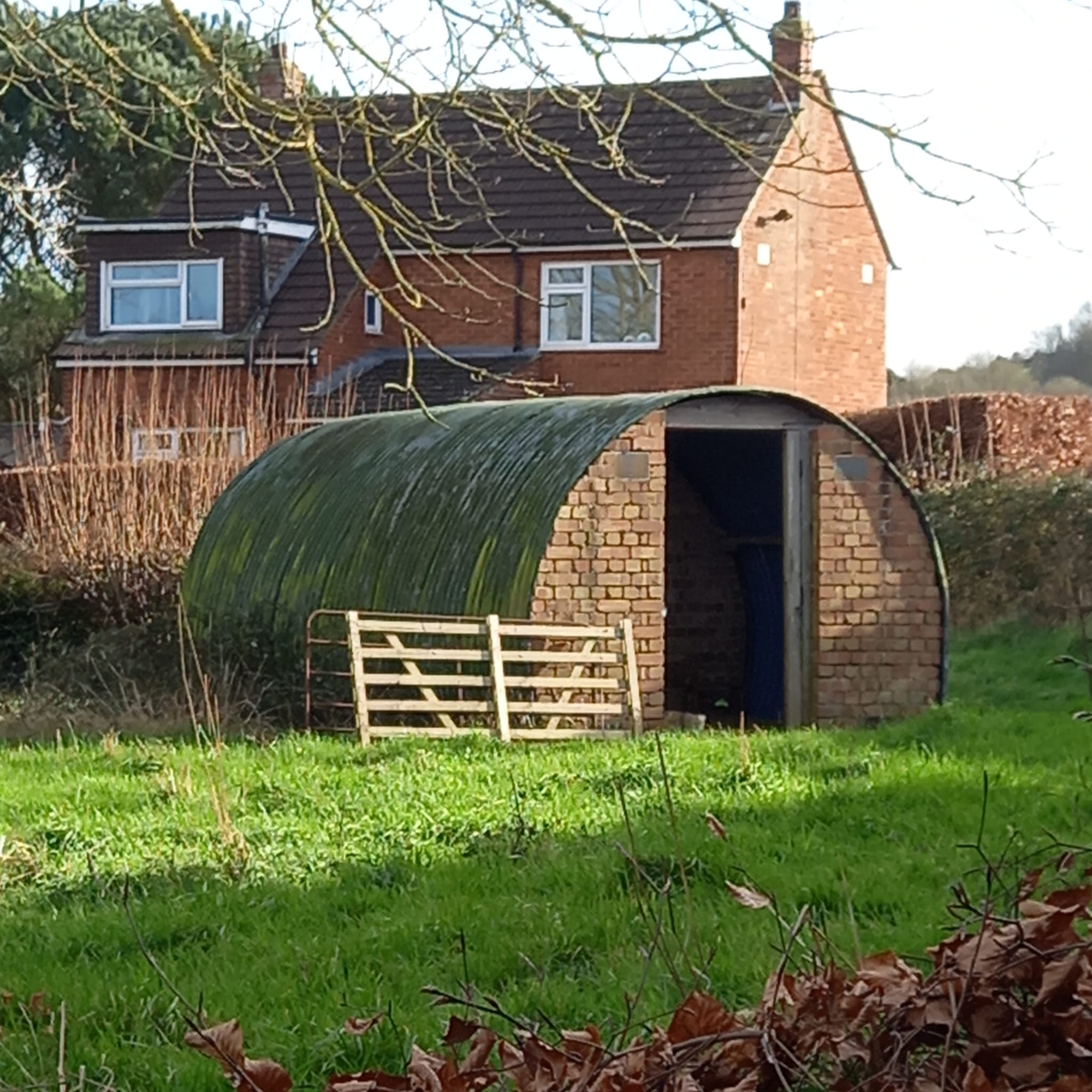
WWII Home Guard Nissen Hut, Reeves Farm - Emms LaneOriginally designed by Major Peter Norman Nissen for use during the First World War, Nissen Huts were prefabricated structures, made from a half-cylindrical skin of corrugated iron. They were also used extensively during the Second World War. Bratton’s ‘Home Guard’ kept their equipment in such a hut in the small orchard next to Reeves Farm on the bend of Emms Lane. The Hut is still there: it is made up of two rooms with a door at each end. When the original roof eventually rusted, the hut was given the current tin replacement. Sheep use it for shelter now when they're in the orchard. Originally called the Local Defence Volunteers, the Home Guard was set up in 1940 as Britain’s ‘last line of defence’ to counter the threat of a German invasion. Recruits were usually men above or below the age of conscription or those unfit or ineligible for front line military service. Initially they were very poorly equipped, having to rely on make-do uniforms and weaponry. This left an enduring image of the rather chaotic, ineffectual organisation immortalised in the hit BBC comedy series ‘Dad’s Army’ made in the 1960s and 1970s. However by the end of the war The Home Guard had actually evolved into a well-equipped and well-trained army of 1.7 million men,1,206 of whom gave up their lives in the line of duty. Richard Gale, a local farmer who grew up at Reeves Farm (or Patcombe Farm as it was then known) after the Second World, remembers his father talking about Bratton’s Home Guard practising their training drills in the concrete farmyard. In particular he recalls the comical image of them getting mud and muck on their trousers when they stamped their feet standing to attention in wet weather. 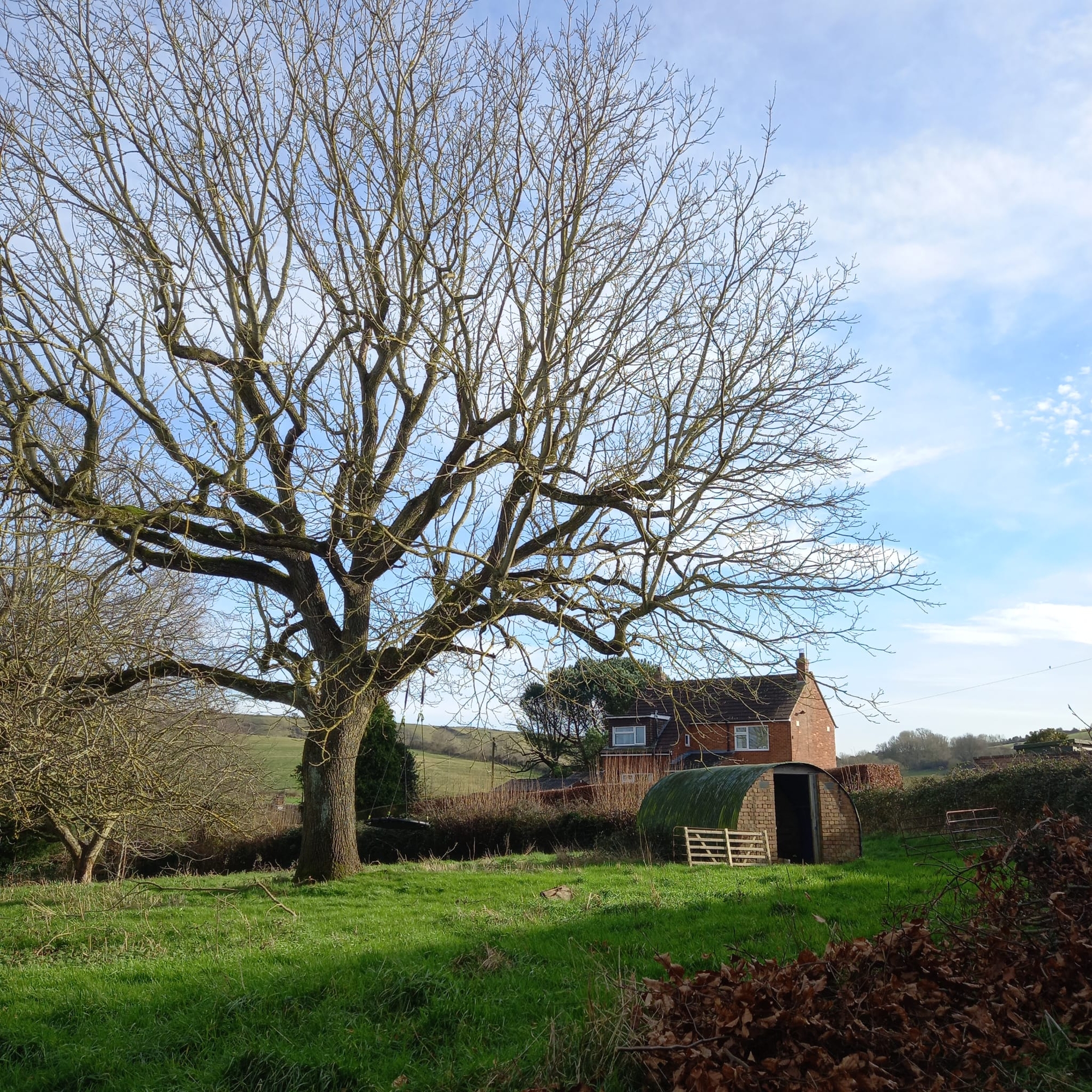
[Return] |
Bratton History Association.
The Bratton History Association aims to provide all those curious about local history with an opportunity to meet, exchange ideas,
and discover more about the history of Bratton and Wiltshire. Activities include monthly meetings, talks by professional historians,
visits to places of interest to historians, and our own local history project.
Copyright Bratton History Association 2015-2026
Bratton History Association Privacy Statement
Copyright Bratton History Association 2015-2026
Bratton History Association Privacy Statement
Web Design by Blue Engine Web Development © 2008-2026