

sec@brattonhistory.co.uk
|
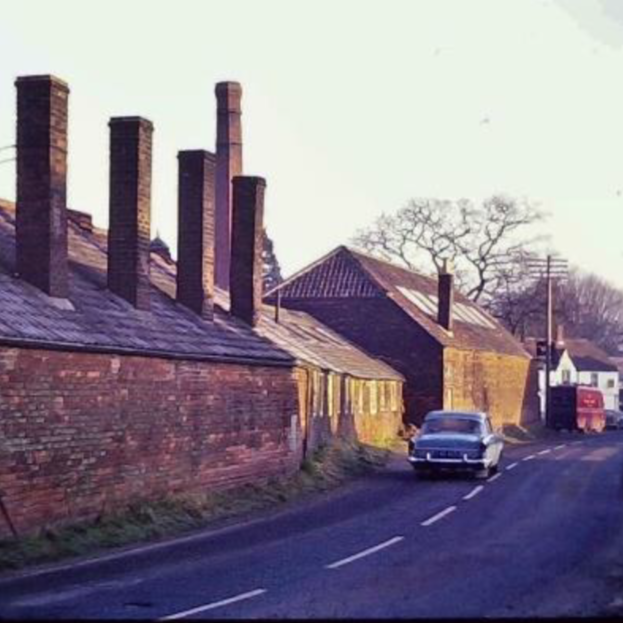
Reeves Ironworks - Melbourne StreetA commemorative plaque next to the village green marks the spot where the Bratton Iron Works were once situated. Where children now play there was once a foundry, a boiler house and a furnace as well as a boiler shop, a fitting shop, a paint shop and many other factory buildings. Carpenter’s Lane marks the Works’ western boundary, and is where the carpentry shop, saw mill and timber sheds had stood. The business began in the 18th century in the small blacksmith's shop of Thomas Pepler in Stradbrook. Robert Reeves was an apprentice to Pepler and married his daughter Eve. Their son Thomas took over the business in 1799, establishing it as an important manufacturer of agricultural implements at the heart of the village in the 1830s. After Thomas died in 1849 two of his sons, Robert and John, took over the business and it became R & J Reeves, and prospered further. Many of their designs won awards and were shipped abroad. It soon became known as Bratton Iron Works. Having the Works in the village enabled Bratton to receive vital services such as gas, electricity and the telephone earlier than others. By the First World War 70 people worked at the site and White Horse Cottages were built for the Works’ employees opposite the main gates. An early plough designed by Reeves is the symbol of Bratton’s History Association and examples of these can be found in several gardens around the village. Other examples of the business’s output can be seen in the house plaques of The Butts, The Wilderness and The Elms, which were all homes to members of the Reeves family over the years, as well as iron water drain grates marked “Reeves, Bratton” around the village. R & J Reeves fell into decline after the Second World War and eventually went out of business in 1970. The Works were demolished in 1973. 'Reeves Ironworks' by Denis Gardner [Return] |
Bratton History Association.
The Bratton History Association aims to provide all those curious about local history with an opportunity to meet, exchange ideas,
and discover more about the history of Bratton and Wiltshire. Activities include monthly meetings, talks by professional historians,
visits to places of interest to historians, and our own local history project.
Copyright Bratton History Association 2015-2026
Bratton History Association Privacy Statement
Copyright Bratton History Association 2015-2026
Bratton History Association Privacy Statement
Web Design by Blue Engine Web Development © 2008-2026